
Eco-Friendly Sign Materials in Houston: Sustainable Options for Your Business
Choosing the right signage material can help you create a professional business presence while reducing waste and improving long-term value. Eco-friendly sign materials in Houston include options such as recycled metals, reclaimed wood, bamboo, paper-based boards, PVC-free materials, and energy-efficient lighting solutions. The best choice depends on where your sign will be used, how long it needs to last, your brand style, and Houston’s climate conditions.
This guide explains the available sustainable sign materials, how they compare, what affects cost, and what you should consider before investing in environmentally responsible signage for your business.
What Makes Sign Materials Eco-Friendly?
Eco-friendly signage uses materials, printing methods, and production choices that reduce environmental impact without sacrificing appearance or durability.
A sustainable sign is not defined by one material alone. The entire process, including manufacturing, printing, maintenance, and disposal, affects how environmentally responsible it is.
For your business, eco-friendly signage may involve recycled or renewable materials, safer inks, reusable structures, energy-efficient lighting, or materials that can be recycled after use.
Common characteristics of environmentally responsible signs include:
Recycled, recyclable, biodegradable, or responsibly sourced materials
Low-VOC coatings and safer printing processes
Durable construction that reduces frequent replacements
Energy-efficient LED or solar-powered illumination
Reusable designs for temporary campaigns and events
A sustainable sign can still have a modern corporate appearance. Materials like recycled aluminum, eco-acrylic, and fabric graphics can create polished branding for offices, retail locations, restaurants, and event spaces.
These choices also reflect broader custom signage trends for 2026, where businesses are exploring more flexible, visually appealing, and environmentally responsible ways to showcase their brands.
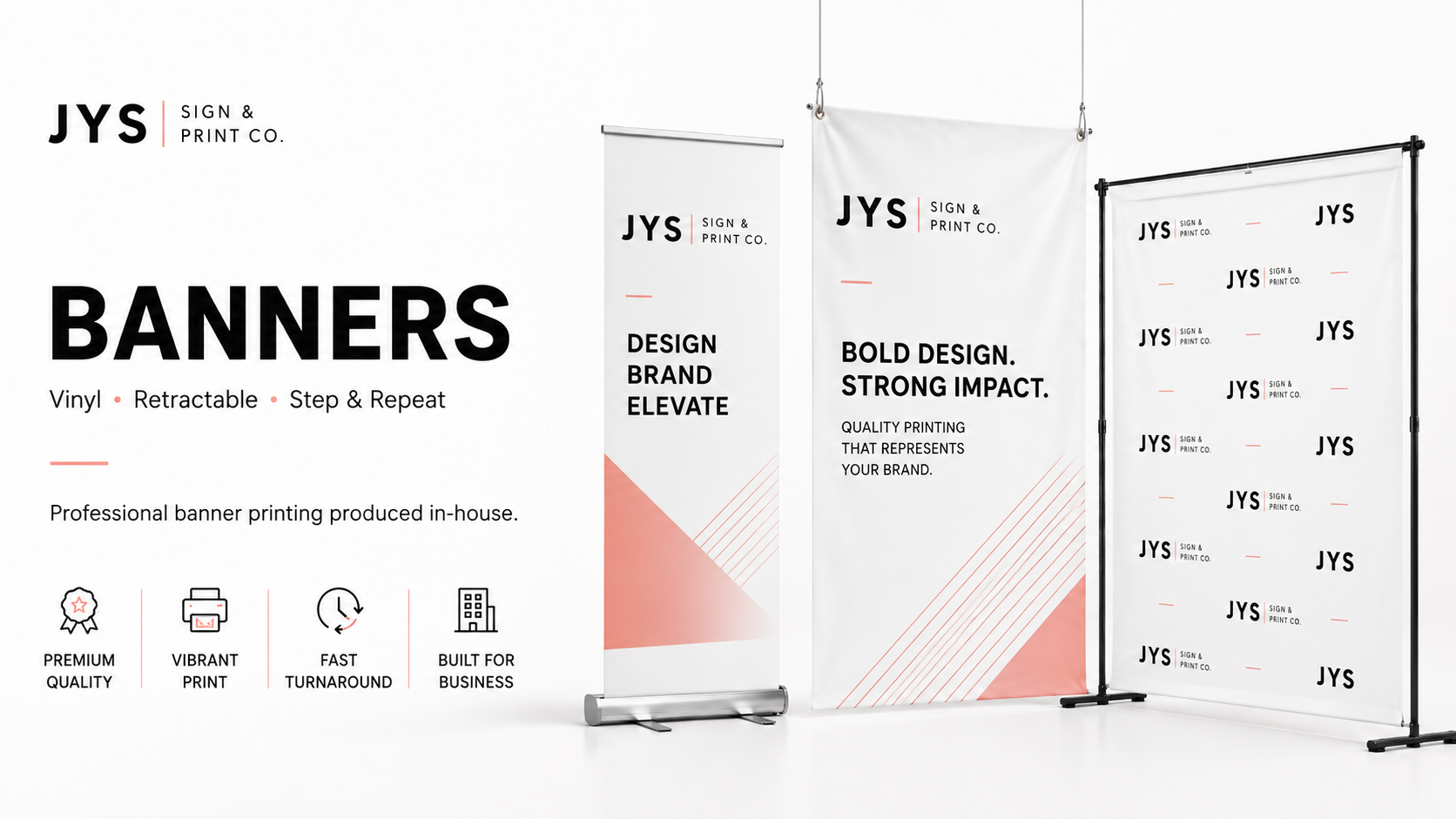
Eco-Friendly Sign Materials in Houston: The Best Options for Businesses
Eco-friendly sign materials range from durable outdoor solutions to lightweight indoor displays. The right option depends on your location, expected lifespan, exposure to weather, and whether you need permanent or temporary signage.
Recycled Aluminum and Metals
Recycled aluminum is one of the most practical choices for businesses needing durable exterior signs. It is lightweight, resistant to rust, and can be recycled again when the sign is replaced.
This material works well for:
Building identification signs
Parking signs
Directional signage
Corporate plaques
Exterior panels
Houston’s humidity and frequent rain make corrosion resistance an important consideration. Recycled aluminum can handle outdoor conditions better than many lightweight materials, especially when paired with protective finishes.
Reclaimed Wood and Sustainable Lumber
Reclaimed wood offers a natural appearance while giving existing materials a second use. It is often selected for restaurants, boutiques, hospitality spaces, and businesses that want a warm, handcrafted look.
FSC-certified wood is another option for businesses that prefer newly sourced wood from responsibly managed forests. It can be used for:
Interior wall signs
Reception signage
Menu boards
Decorative brand displays
Wood requires proper treatment when used in areas exposed to Houston’s heat and humidity. Untreated materials may warp, fade, or deteriorate faster outdoors.
Bamboo and Fast-Growing Materials
Bamboo is a renewable material that grows quickly and is commonly used for interior signage and decorative branding elements. Its clean appearance works well for businesses that want a natural design style.
Bamboo signage is suitable for:
Office directories
Lobby displays
Menu boards
Accent panels
It is generally better suited for indoor applications where moisture exposure is limited.
Paper-Based Honeycomb Boards
Paper-based honeycomb boards are lightweight materials made using recycled paper fibers arranged in a strong internal structure. They are useful for temporary displays where businesses need an attractive option that can be recycled afterward.
These materials work well for:
Trade show displays
Retail promotions
Event backdrops
Temporary wall graphics
For businesses participating in events at venues such as the George R. Brown Convention Center, lightweight recyclable displays can make transportation and setup easier while reducing material waste.
PVC-Free and Recycled Plastic Alternatives
Traditional PVC signage has been widely used because of its affordability and durability, but many businesses now look for alternatives with a smaller environmental footprint.
PVC-free boards, recycled plastic composites, and biodegradable options may be used for:
Temporary outdoor signs
Promotional displays
Yard signs
Window graphics
The right material depends on how long the sign needs to remain outdoors. Short-term campaigns may use different materials than permanent exterior installations.
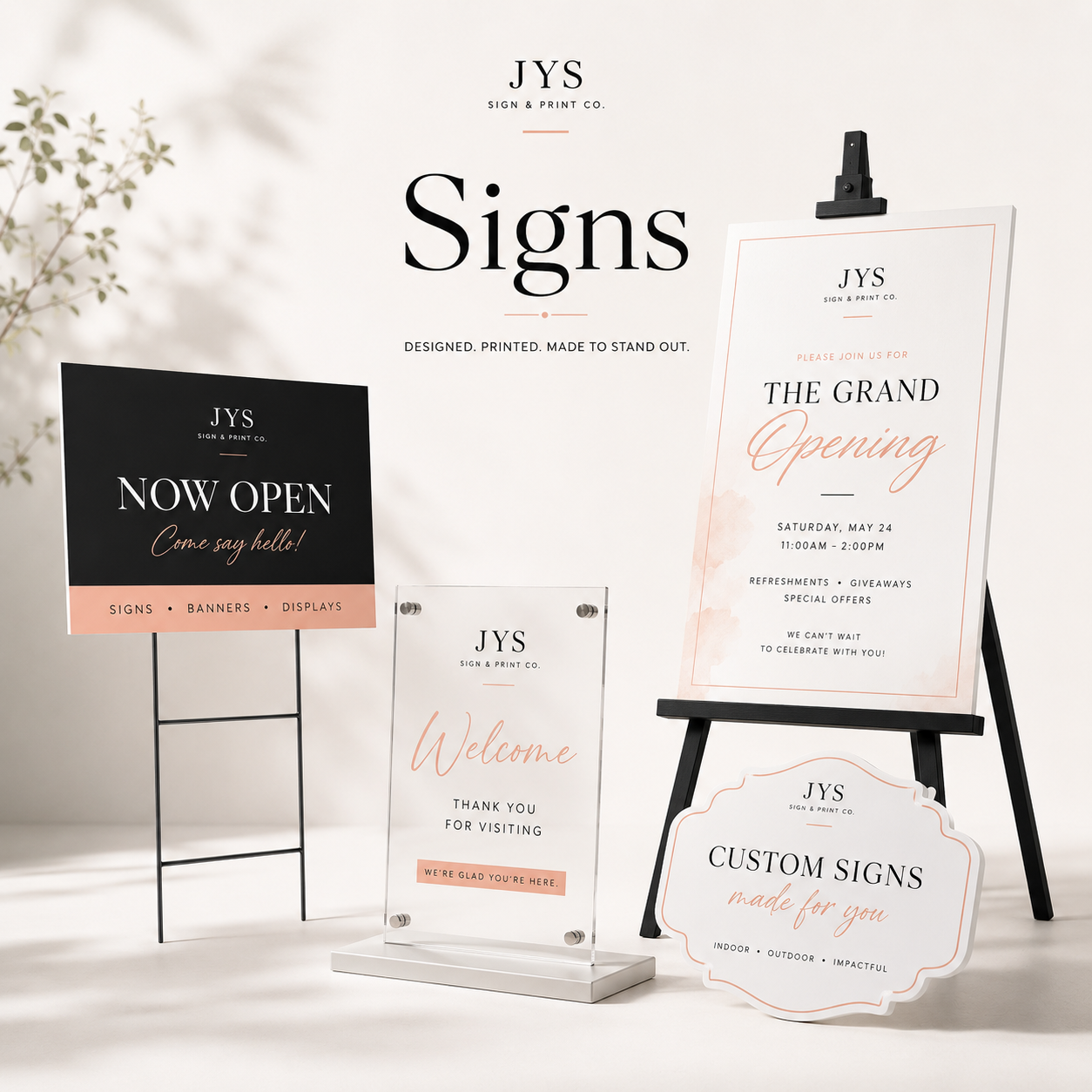
Sustainable Printing Options for Business Signs
The material is only one part of sustainable signage. Printing methods, inks, and protective finishes also influence environmental impact.
Water-based inks, latex inks, and UV-curable inks are commonly used alternatives that can reduce emissions compared with older solvent-based printing methods.
For businesses, these options can provide:
Lower odor for indoor environments
Durable color performance
Compatibility with different recyclable materials
Reduced chemical exposure during production
Protective finishes also matter in Houston. Signs exposed to intense sunlight should use UV-resistant coatings to help prevent fading. For outdoor applications, ask your sign provider about low-VOC finishes and alternatives to traditional PVC laminates.
Energy-Efficient Lighting Options for Exterior Signs
Illuminated signs can also be designed with sustainability in mind. LED lighting has become a common choice because it uses less energy than older lighting systems and typically requires less maintenance.
LED options are useful for:
Storefront signs
Building identification
Monument signs
Parking signage
Solar-powered signs can be another option for locations where connecting to electrical systems is difficult. They are often considered for roadside signs, parking areas, and locations where independent lighting is useful.
Smart controls, including timers and dimming systems, can further reduce unnecessary energy use by adjusting when signs operate.
How Houston’s Climate Affects Sustainable Sign Choices
Houston businesses need to consider heat, humidity, sunlight, and storms when selecting eco-friendly materials. A sustainable material only provides value if it performs well in its intended environment.
Exterior signs should typically prioritize:
Moisture-resistant materials
UV-resistant printing
Strong mounting hardware
Weather-protective coatings
For example, a paper-based display may be a good choice for an indoor corporate event but may not perform well as a permanent outdoor sign exposed to Houston rain.
Businesses in areas with heavy foot traffic, such as Downtown Houston, may also need to consider visibility, durability, and maintenance requirements when selecting storefront or directional signage.

Choosing the Right Sustainable Sign for Your Business
The best eco-friendly sign depends on your goals, location, and expected use. A permanent storefront sign requires different materials than a temporary event display.
Consider these factors before choosing:
Indoor vs Outdoor Use
Indoor signs allow more flexibility with materials such as bamboo, fabric, reclaimed wood, and paper-based boards.
Outdoor signs usually require stronger materials such as recycled aluminum, durable composites, and weather-resistant finishes.
Permanent vs Temporary Signage
Permanent signs should focus on lifespan and maintenance. Recycled metals, sustainable wood, and durable composites are often better long-term investments.
Temporary signage for campaigns, trade shows, and events may benefit from lightweight materials that are easy to transport, reuse, or recycle.
Brand Appearance
Your design style also influences material selection.
Natural brands may prefer reclaimed wood or bamboo, while modern businesses may choose recycled aluminum, eco-acrylic, or LED-lit displays.
For businesses using temporary promotions or branded displays, reusable graphics and sustainable materials can reduce waste across multiple campaigns. If you are comparing traditional display options, understanding how vinyl signs are used can help you evaluate which materials fit your needs.
Cost Factors for Eco-Friendly Business Signs
The cost of sustainable signage depends on the material, size, design complexity, printing method, installation requirements, and whether lighting is included.
Some eco-friendly materials may have a higher initial cost, especially specialized recycled or renewable options. However, durable materials may reduce replacement costs over time.
Factors that influence your final investment include:
Material selection
Sign dimensions
Custom shapes or fabrication
Indoor or outdoor requirements
Lighting systems
Installation needs
Quantity ordered
A lower-cost option may make sense for a short-term promotion, while businesses investing in permanent branding may benefit from materials designed for longer use.
Common Mistakes to Avoid
Before choosing sustainable signage, it helps to understand the common mistakes that can affect durability, cost, and environmental impact.
Avoiding these issues allows you to select materials that match your business needs, Houston’s climate, and your long-term branding goals.
Choosing an indoor eco-friendly material for outdoor use, which can lead to moisture damage, fading, or early replacement. Match the material to Houston’s weather conditions before ordering
Focusing only on the sign material and ignoring inks or coatings, which can reduce the environmental benefits of the final product. Ask about the complete production process
Selecting the cheapest option without considering lifespan, which may create more waste through frequent replacements. Compare durability and maintenance needs
Forgetting about end-of-life disposal, which can make recycling difficult later. Choose materials that can be reused or properly processed after removal
Using oversized temporary displays without a reuse plan, which can increase waste after a single event. Consider modular designs or recyclable substrates
Frequently Asked Questions
What are the most sustainable materials for business signs?
The most sustainable sign materials include recycled aluminum, reclaimed wood, bamboo, paper-based honeycomb boards, PVC-free materials, and recycled fabrics. The best choice depends on whether your sign is permanent, temporary, indoor, or outdoor. Durability and disposal options should also be considered.
Are eco-friendly signs durable enough for Houston weather?
Many eco-friendly signs can handle Houston conditions when the right materials are chosen. Recycled metals, durable composites, and weather-resistant coatings work well for outdoor applications, while paper-based boards and fabric graphics are better suited for indoor displays or covered areas where they are protected from moisture and sun exposure.
Are sustainable signs more expensive than traditional signs?
Some eco-friendly materials may have a higher upfront cost, but the final price depends on the material, sign size, design complexity, installation requirements, and lighting choices. Investing in durable materials and energy-efficient systems can help reduce replacement needs and ongoing operating expenses over the sign’s lifespan.
Can eco-friendly signs be used for outdoor business branding?
Yes, many sustainable materials are suitable for outdoor business branding when the right options are selected. Recycled aluminum, weather-resistant composites, and LED-lit signs provide durable solutions, while material choices should consider Houston’s sunlight, humidity, wind exposure, maintenance needs, and the expected lifespan of the signage.
What printing methods are better for sustainable signage?
Water-based, latex, and UV-curable printing methods are commonly used for more environmentally responsible signage production. These printing options can deliver sharp, durable graphics while reducing dependence on traditional solvent-based processes. The best choice depends on the material, location, design requirements, and the expected performance of the finished sign.
How can a business recycle old signage?
Recycling options depend on the materials selected for your signage. Metal signs are typically easier to recycle, while signs made from multiple materials may require separation before disposal. Planning ahead allows you to choose reusable designs, recyclable components, or proper disposal methods before production begins.
Choose Sustainable Signage for Your Houston Business
Eco-friendly signage helps Houston businesses build a professional brand presence while making thoughtful choices about materials, durability, and environmental impact. Choosing the right Eco-Friendly sign materials in Houston allows you to create signage that supports your goals and performs well in your business environment.
At JYS Signs & Print, we create customized sign and print solutions based on your business needs, design preferences, location, and project requirements. Our team helps you select the right materials, finishes, and signage options to achieve the look and performance you need.
Choose JYS Signs & Print to create sustainable signage that helps your business stand out, strengthen your brand identity, and make a lasting impression with customers.